Take simple steps to protect your vision from diabetic retinopathy
Latest press releases and corporate announcements from EdgeNewswire
Press Release Disclaimer: This is a press release distributed through the XPR Media network. It has not been independently verified by our newsroom.
 2026-11-01T00:01:00
(BPT) – November is Diabetic Eye Disease Awareness Month, a time for those living with diabetes to prioritize regular eye exams and protect their vision. Diabetes affects more than just the body’s ability to regulate blood sugar (glucose). Over time, it can damage the eyes and lead to preventable vision loss from conditions like diabetic retinopathy.
Diabetic retinopathy is a complication that damages blood vessels in the retina and is a leading cause of irreversible blindness among working-age Americans. As of 2021, an estimated 9.6 million people in the U.S. have diabetic retinopathy.
Anyone living with diabetes can develop diabetic retinopathy, and the risk of developing it increases the longer a person has diabetes. The good news is that losing your sight because of diabetic retinopathy is not a foregone conclusion. To help you protect your vision today so you can enjoy healthy vision tomorrow, the American Society of Retina Specialists (ASRS) offers a few simple steps to proactively monitor your vision for diabetic retinopathy.
Schedule an eye exam
Diabetes can threaten vision in ways that are easy to overlook. For example, diabetic retinopathy can quietly damage the retina years before noticeable symptoms appear. And this might lead to putting off regular eye exams.
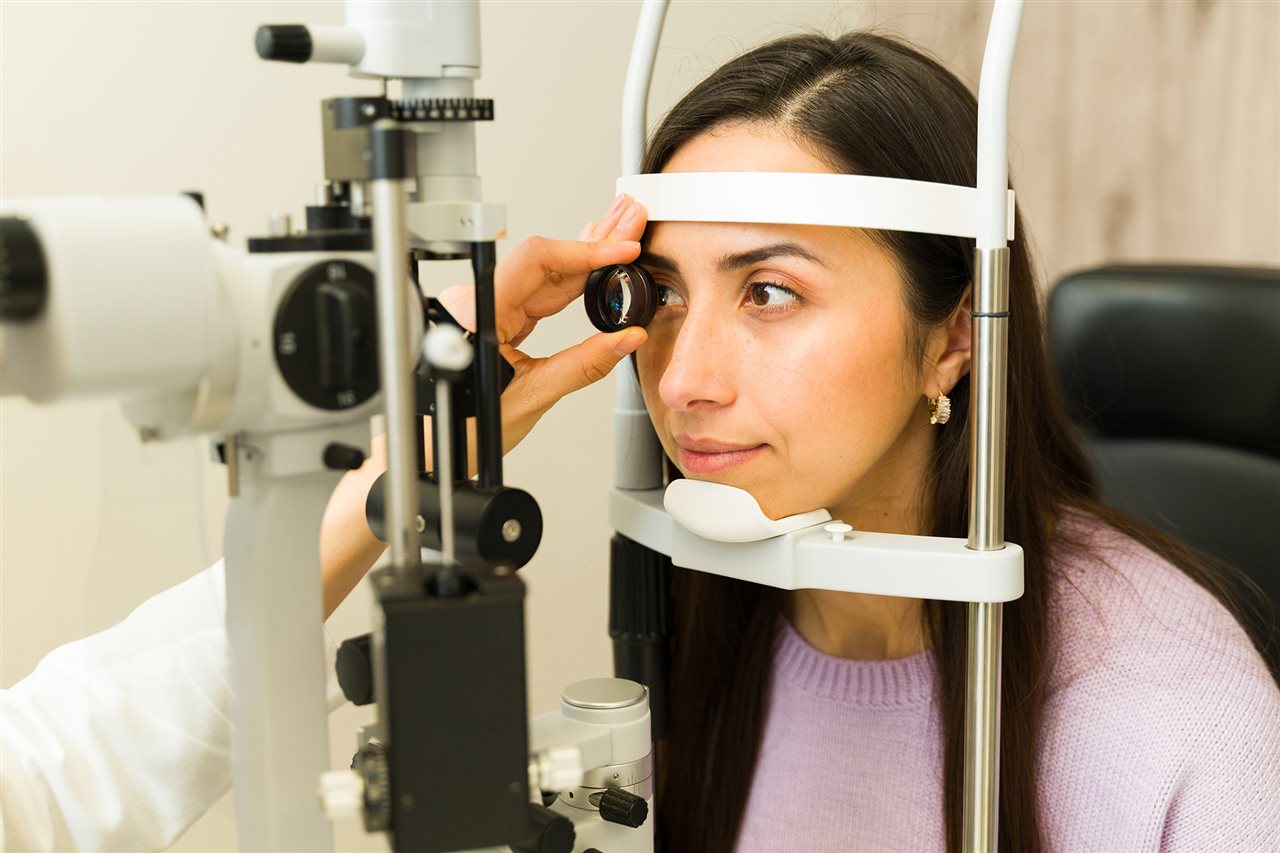
Even though vision-threatening changes are occurring in the retina, diabetic retinopathy can develop without early warning. That’s why people with diabetes should have regular dilated eye exams, even when their vision seems fine. These exams can detect diabetic eye disease early, when treatment can help prevent or slow vision loss.
Know the signs
While some people may develop this disease without warning, others may experience symptoms that could signal that they’ve developed diabetic retinopathy. Symptoms you may notice in one or both eyes include:
- blurred or distorted vision
- difficulty reading
- floaters
- a shadow across the field of vision
- eye pressure
- difficulty with color perception
Don’t ignore sudden vision changes
If symptoms do appear, waiting to see if new floaters or blurred vision go away on their own can delay diagnosis of a sight-threatening condition. If you’re experiencing sudden vision changes such as new or increased floaters, flashes of light, a shadow or curtain across your vision, or sudden vision loss, don’t wait for these problems to resolve on their own. Sudden vision changes are medical emergencies that require immediate attention.
Ignoring sudden vision changes can lead to serious complications. In some cases, advanced diabetic retinopathy can cause bleeding inside the eye or scar tissue that pulls on the retina, potentially causing a retinal detachment that requires urgent treatment or surgery from a retina specialist.
See a retina specialist
Without timely treatment, diabetic eye disease can progress, increasing the risk of permanent vision loss or blindness. If you begin to experience any of the vision changes listed above, don’t wait to get treated — see a retina specialist.
Retina specialists are highly skilled physicians and surgeons committed to helping people with diabetic eye disease preserve and improve their vision. These medical doctors have completed up to 12 years of advanced medical training to specialize in ophthalmology and subspecialize in diseases and surgery of the retina, making them the most qualified experts to diagnose diabetic eye disease and develop personalized treatment plans for patients with the condition. Visit www.FindYourRetinaSpecialist.org to find a retina specialist near you.
Taking these simple steps this month can help you protect your vision for a lifetime. To learn more about diabetic retinopathy and other retinal conditions, visit SeeForALifetime.org.